

A practical guide for Glendale business owners on where cameras can go, when the city wants a permit, how the alarm and camera registration programs work, and how to get footage that actually helps.
Why Glendale businesses are adding cameras now
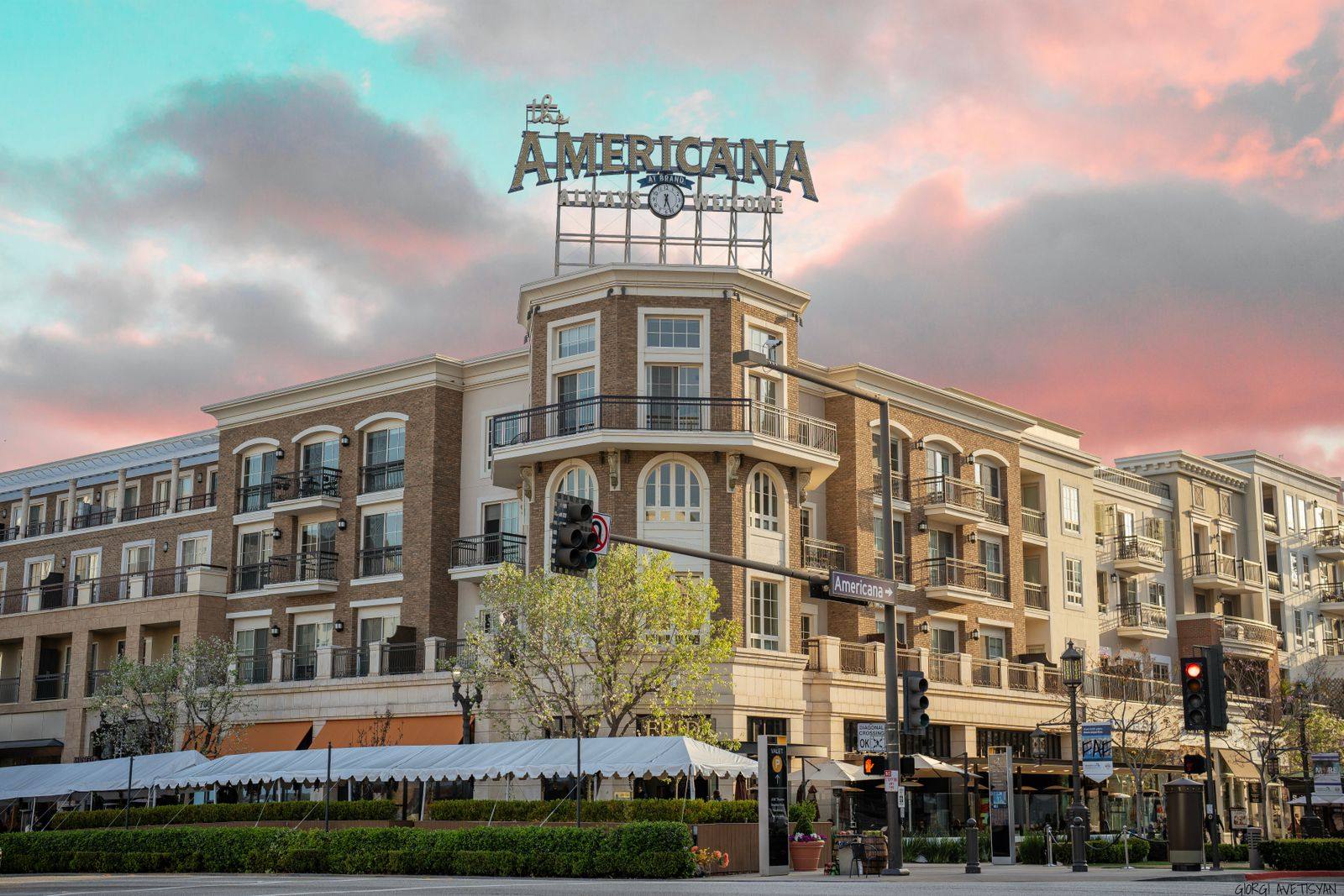
Glendale is a city of open lots and busy doors. A mile of dealerships on the Brand Boulevard of Cars keeps hundreds of vehicles outside every night. Warehouses and shops along San Fernando Road back up to the rail line. Downtown towers on Brand and Central have parking structures that empty out after six. Apartment buildings from Tropico to the new towers around the Americana have garages that everyone tailgates into. Retail plazas on Glenoaks and Colorado deal with break-ins and organized theft.
The businesses calling us are not usually starting from zero. Most have some cameras. What they have is a recorder that was not recording, a camera pointed at the sky, or footage too blurry to identify anyone. This guide covers the rules and the practical decisions before you spend money on a new system.
California privacy rules that apply in Glendale
State law sets the limits, and they are the same in Glendale as anywhere in California. Video recording in areas where people have a reasonable expectation of privacy is not allowed. That means no cameras in restrooms, locker rooms, changing areas or anywhere someone would undress. California Labor Code section 435 specifically bars employers from recording in those spaces. Cameras in your sales floor, lobby, hallways, garage, yard, dock and at registers are fine.
Audio is a separate issue. California is a two-party consent state under Penal Code section 632, so recording conversations without everyone's consent can be illegal. For most Glendale businesses the simple answer is video-only cameras, and if you have cameras with microphones, leave audio off.
Post signs. Visible signage that the premises are under video surveillance reduces privacy complaints, deters theft and helps if footage is ever used in a dispute. Aim cameras at your property. A camera on a South Brand dealership lot that also looks into a bedroom window on a residential street in Tropico is going to generate a complaint, and a varifocal lens or a privacy mask fixes it.
When the City of Glendale wants a permit
For most camera installs on an existing building, no building permit is needed. Low-voltage cabling and mounting cameras on your own structure are routine. The City of Glendale Community Development Department, Building and Safety, gets involved when the scope grows: new electrical circuits for power supplies or outdoor lighting, new poles set in concrete on a lot, trenching for conduit, penetrating fire-rated walls or floors in a multi-tenant building, or any change to door hardware on fire exits when access control is part of the project.
The Permit Services Center is at 633 E. Broadway, Room 101, in ZIP 91206, and it keeps limited counter hours, so a project that needs a permit should be planned around that. Downtown property managers on Brand and Central will also want a license number and certificate of insurance before a contractor works in a shared riser, and many require fire-stopping to be inspected. A licensed C-7 contractor handles all of this as part of the job.
- Cameras on your building, low-voltage cable only: usually no permit.
- New poles, trenching, new circuits: permit likely.
- Maglocks or strikes on fire-exit doors: permit and fire review.
- Work in a downtown shared riser: property manager approval and fire-stopping.
Glendale's alarm permit and Glendale PD's camera registration
Two city programs matter. First, the City of Glendale runs an alarm program that requires alarm systems to be registered and charges fees for false alarms. If your camera project ties into an intrusion alarm, or you add a monitored alarm at the same time, register it. Repeated false alarms cost money and, worse, slow down police response.
Second, the Glendale Police Department runs a voluntary security camera registration program. You tell the department where your cameras are and how to reach you. When a crime happens nearby, detectives know which businesses on Glenoaks or San Fernando Road may have footage and can ask for it quickly. Registering does not give police live access to your cameras. It just makes your footage useful to the investigation next door, and it is free.
Placement that actually identifies people
The most common failure we see in Glendale is cameras mounted too high, looking down at the tops of heads. A camera on the corner of a roof twenty feet up covers a wide area and identifies nobody. Put an identification camera at every entrance at roughly face height, aimed at the door, so anyone walking in is recorded head-on. Then use higher, wider cameras for overview of the lot, floor or garage.
For lots on the Brand Boulevard of Cars and yards along San Fernando Road, cover the fence line and the approaches, not just the front. Thieves come over the back fence where it is dark. Add plate-reading cameras at driveway entrances so vehicles can be identified. In apartment garages, cover the gate, the ramps and every row. In retail, the registers, the back door and the stockroom door matter more than the middle of the floor.
Night performance is where cheap cameras fail. Ask for cameras with true low-light sensors and enough infrared for the distance, and add lighting on lots. A camera that cannot see the back of the lot at 2 a.m. is decoration.
Recording, storage and remote viewing
Plan for how many days of footage you need. Thirty days is a reasonable target for most Glendale businesses; dealerships and apartment buildings often want more because a resident or customer may report something a week later. Store the recorder in a locked closet or cage, not on a shelf behind the counter where a burglar can grab it. Set it up so you can view live and recorded video from your phone and export a clip in a minute when Glendale PD asks.
Limit who can log in. Footage from a clinic near Adventist Health Glendale or a residential garage can show people who expect some privacy, and a leaked clip is a real liability. Change default passwords, keep the recorder on its own network segment away from guest Wi-Fi, and update firmware. If the system was installed years ago and nobody knows the password, that is worth fixing before you need the video.
When cameras alone are not enough
Cameras record. They do not respond. If the problem is people on the lot at night, on a South Brand dealership, in an equipment yard off Sonora Avenue, on a construction site downtown or in an apartment garage in Citrus Grove, live monitoring closes the gap. With AI camera monitoring, software flags a person or vehicle inside your fence after hours, a live operator confirms it in seconds, speaks to the person through a loudspeaker and calls Glendale PD if they do not leave. Most leave at the first voice. From ITECH2 it starts at $1 per camera per day a month, with the first month free, and it works with a properly designed camera system.
Whatever you do, start with a walk of the property. ITECH2 offers a free on-site site survey anywhere in Glendale, from 91201 to 91210 and up to Montrose, and puts the camera plan, permit questions and a written quote in front of you before any work starts. Call (866) 904-8787 or email tech@itech2.co.
Questions Glendale businesses ask
Can my Glendale business record audio on its security cameras?
Generally, no, not without consent from everyone recorded. California Penal Code section 632 makes it illegal to record confidential conversations without all parties' consent, and that applies to Glendale businesses. The safe practice is video-only cameras with any built-in microphones disabled. If you have a specific reason to record audio, such as at a counter with clear signage, talk to a lawyer first. We install video-only by default and cover it during the free site survey.
Does Glendale require a permit to install business security cameras?
Not for a typical install of cameras and low-voltage cable on your own building. The City of Glendale Building and Safety wants a permit when the work includes new electrical circuits, new poles, trenching, fire-rated wall penetrations or changes to fire-exit door hardware. Multi-tenant buildings downtown add property-manager approvals. A licensed C-7 contractor checks this before quoting. We handle permits as part of the job when they apply.
How do I share security footage with Glendale police after a crime?
Register your cameras with the Glendale Police Department's voluntary camera registration program so detectives know you have coverage. When something happens, export the clip from your recorder, note the exact time and camera, and provide it when they contact you. A system set up for remote viewing makes this a five-minute job. We configure every system so a manager can export a clip from a phone, and we walk you through it at handoff.
Free site survey in Glendale
ITECH2 is a licensed C-7 low voltage contractor serving Glendale since 2010. We will walk your property, tell you what you actually need and quote it in plain numbers — free.
Book a free Glendale site survey Call or text (442) 222-2775Related: Network Cabling in Glendale · Fiber Optic Installation in Glendale · Security Camera Installation in Glendale · AI Camera Monitoring in Glendale