
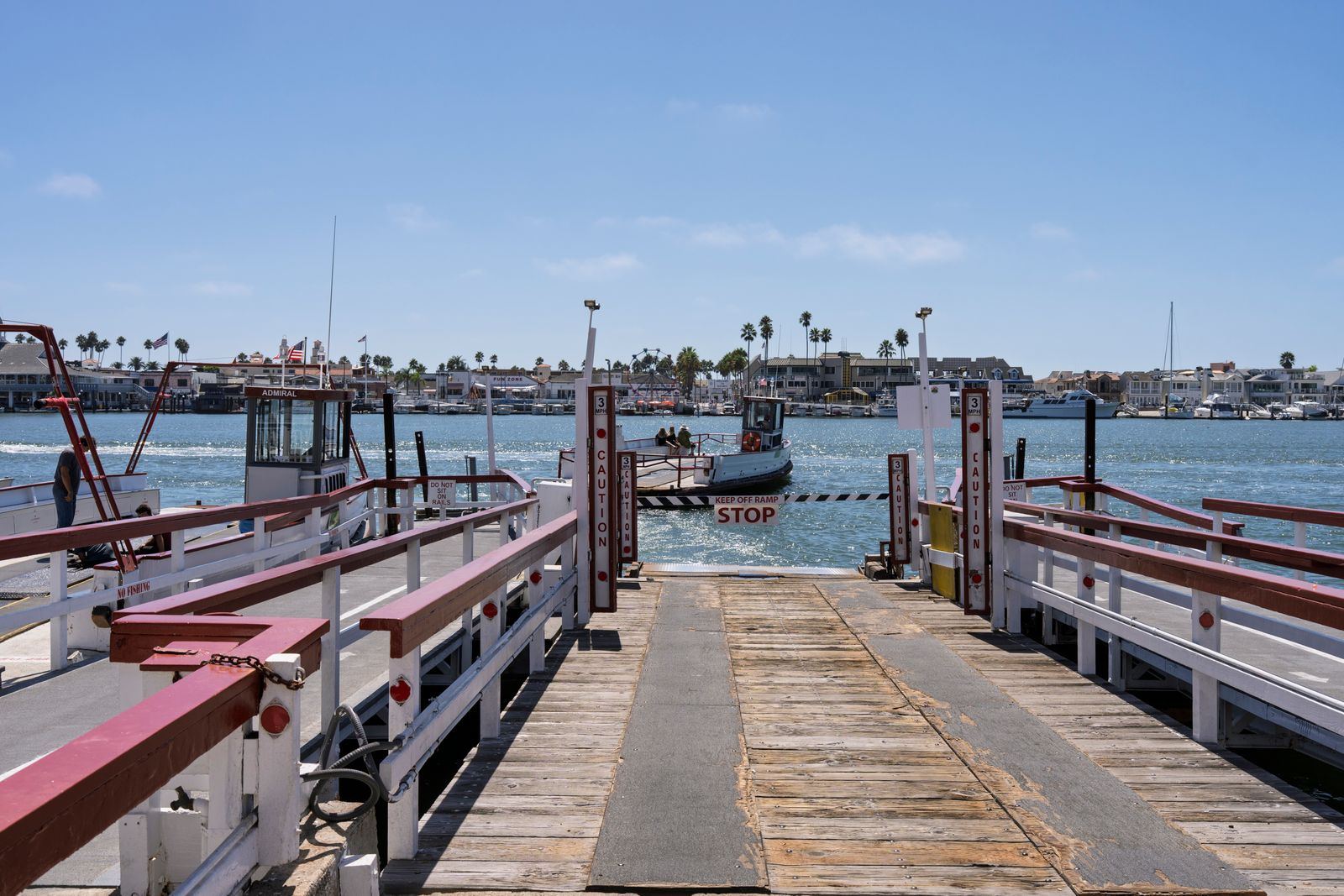

A practical guide for Newport Beach business owners on camera laws, permits, placement in salt air and what to do with footage when something happens.
Why Newport Beach businesses are installing cameras now
Newport Beach is a wealthy, high-traffic city with a lot of value sitting outside at night. Dealerships along Jamboree Rd and Coast Highway keep hundreds of vehicles on open lots. Boat yards and marinas on Mariners Mile store boats, engines and equipment on docks that are easy to reach. Fashion Island, Corona del Mar village, Balboa Village and Lido Marina Village draw tourists and, with them, smash-and-grab and organized retail theft. Office parking structures in Newport Center and the Airport Area see catalytic converter theft and vehicle break-ins.
Most business owners we talk to do not want cameras because of a single event. They want them because insurance asks, because a landlord or HOA requires them, because staff feel safer, and because when something does happen, having footage turns a shrug into a claim or an arrest. This guide covers what you can legally record in California, what the City of Newport Beach requires, how to place cameras on the coast so they last, and how AI monitoring changes the math.
What California law allows you to record
Video recording in public and common business areas is legal in California. You can record your sales floor, lobby, parking lot, entrances, hallways, loading dock and cash office. You cannot record where people have a reasonable expectation of privacy: restrooms, changing rooms, locker rooms, hotel guest rooms and medical exam rooms. California Penal Code section 647(j) makes recording in those spaces a crime, and Civil Code section 1708.8 creates civil liability for invasion of privacy.
Audio is the trap. California Penal Code section 632 requires the consent of all parties to record a confidential conversation. A camera with a microphone in an office or a dining room can record conversations people reasonably expect to be private, and that exposes you to criminal and civil liability. For most Newport Beach businesses the safe answer is video only, with audio limited to live two-way speakers on monitored systems that are used to speak to a person, not to record them.
Posting signage that cameras are in use is not always legally required for video, but it is good practice, reduces disputes and is expected by many landlords and insurers. Employees should be told in writing that common areas are recorded.
Permits: the City of Newport Beach and the Coastal Zone
Permits in Newport Beach go through the Community Development Department, with the Permit Center in Bay C at 100 Civic Center Drive next to Fashion Island. Low voltage camera work inside an existing building generally does not require a building permit on its own. Permits come into play when the job includes new conduit on the exterior, roof penetrations, new line-voltage power for cameras or recorders, structural attachments, or work in a building with fire-rated assemblies that must be sealed.
Newport Beach adds one wrinkle most cities do not have: much of the city is in the California Coastal Zone. Properties on the Balboa Peninsula, Balboa Island, Lido Isle, Mariners Mile, Corona del Mar's ocean side and Newport Coast can be subject to Coastal Zone review for exterior changes. Minor equipment such as a camera on an existing wall is usually not a problem, but new poles, exterior conduit runs and anything visible from the water or a public view corridor can raise questions. The safe approach is to check the address with the Permit Center before drilling, and we do that as part of the job.
Managed properties add their own rules. Irvine Company centers such as Fashion Island and Crystal Cove Promenade and the office towers of Newport Center have tenant coordinator approval processes, insurance requirements and installation-hour limits. HOAs in Big Canyon, Eastbluff and Newport Coast require architectural approval for exterior cameras. Medical office buildings near Hoag have after-hours and dust-control rules.
Placement that survives salt air and Coast Highway headlights
Cameras fail in Newport Beach for two reasons: corrosion and bad lighting. A standard camera on Balboa Island or Mariners Mile starts corroding at the housing seams and connectors within a season or two. The fix is not exotic, just deliberate: IP66 or better sealing, corrosion-resistant or marine-grade housings, stainless mounting hardware, sealed connectors, drip loops, and mounting positions out of direct spray. It costs more per camera and far less than replacing the system after two winters.
Lighting is the second problem. Coast Highway and Jamboree Rd headlights, sodium lot lights and the glare off the water blow out cheap sensors at night. We use cameras with true wide dynamic range and adequate low-light performance, mount at heights that capture faces rather than the tops of heads, and place plate-capture cameras at driveways with the angle and shutter tuned for plates at night.
- Entrances and exits: face height, one camera per door, inside and out where possible.
- Parking lots and garages: coverage of every drive aisle and pedestrian entrance, plate capture at each vehicle entrance.
- Cash handling and stockrooms: overhead coverage that shows hands and the register.
- Docks and yards: long runs on fiber or conduit, marine-rated cameras, wide coverage of gates.
- Nothing pointed into a neighbor's window, a restroom or a medical exam room.
Recording, retention and what to do when something happens
Record locally on a network video recorder with enough storage for at least 30 days at full resolution, with remote viewing from a phone. Cloud backup of key cameras is worth it for stores and dealerships where a recorder could be stolen with the rest of the merchandise. Set retention in writing and keep it consistent, because a policy you follow is easier to defend than one you improvise.
When there is an incident, export the clip immediately and keep the original. Newport Beach Police can use clear footage with a timestamp and a readable face or plate, and businesses can share footage through the department's normal reporting process. Insurance adjusters want the same thing. A blurry clip of a hoodie at 2 a.m. does not help anyone, which is why placement and lighting matter more than camera count.
AI monitoring versus recording alone
A recording tells you what happened after it happened. AI camera monitoring changes that into something that prevents the loss. Cameras with analytics watch protected zones during the hours you set, and when a person or vehicle enters, a live agent sees it within seconds, speaks through an on-site speaker, and calls police if the person does not leave. On Newport Beach dealership lots, boat yards, construction sites and parking structures, most trespassers walk off the moment a voice tells them they are being watched.
The economics favor monitoring. An overnight guard covers one place at a time and costs many times what monitoring does. ITECH2 AI camera monitoring starts at $1 per camera per day per month with the first month free, and existing camera systems can often be monitored after a review of coverage and night image quality.
Getting a camera project started in Newport Beach
Start with a walk of the property, not a catalog. A free site survey from a licensed C-7 low voltage contractor should cover what you are trying to prevent, where incidents have happened, what the landlord or HOA requires, whether the address sits in the Coastal Zone, how close the cameras are to salt water, and where the recorder and network will live. Ask for a written plan showing camera locations, lens choices, cable paths and retention, and ask whether the system can be upgraded to monitoring later.
ITECH2 is a licensed C-7 contractor, license #1098090, in business since 2010, serving all of Newport Beach: 92657, 92660, 92661, 92662 and 92663. Call (866) 904-8787 or (442) 222-2775 to schedule a free site survey.
Questions Newport Beach businesses ask
Is it legal to record employees with security cameras in Newport Beach?
Yes, in common and work areas such as sales floors, offices, stockrooms and parking, as long as you do not record in restrooms, changing rooms or other private spaces and you avoid audio recording, which needs all-party consent under California Penal Code 632. Notify employees in writing that common areas are recorded.
Does the Coastal Zone affect camera installation on Balboa Peninsula or Balboa Island?
It can. Exterior work on properties in the Coastal Zone, including much of 92661, 92662 and 92663, may need review by the City of Newport Beach for new poles, exterior conduit or anything visible from public view corridors. A camera on an existing wall is usually fine. Check the address with the Permit Center first.
How long should a Newport Beach business keep security camera footage?
Keep at least 30 days at full resolution and set the policy in writing. Retail, hospitality and dealerships often keep longer for dispute and claims purposes. Export and preserve any clip tied to an incident right away so it is not overwritten before police or insurers ask for it.
Free site survey in Newport Beach
ITECH2 is a licensed C-7 low voltage contractor serving Newport Beach since 2010. We will walk your property, tell you what you actually need and quote it in plain numbers — free.
Book a free Newport Beach site survey Call or text (949) 396-2622Related: Network Cabling in Newport Beach · Fiber Optic Installation in Newport Beach · Security Camera Installation in Newport Beach · AI Camera Monitoring in Newport Beach