

A plain-language guide for Laguna Beach business owners, hotel managers and HOA boards on what you can record, when the City cares, and where cameras actually belong.
Why cameras are a different conversation in Laguna Beach
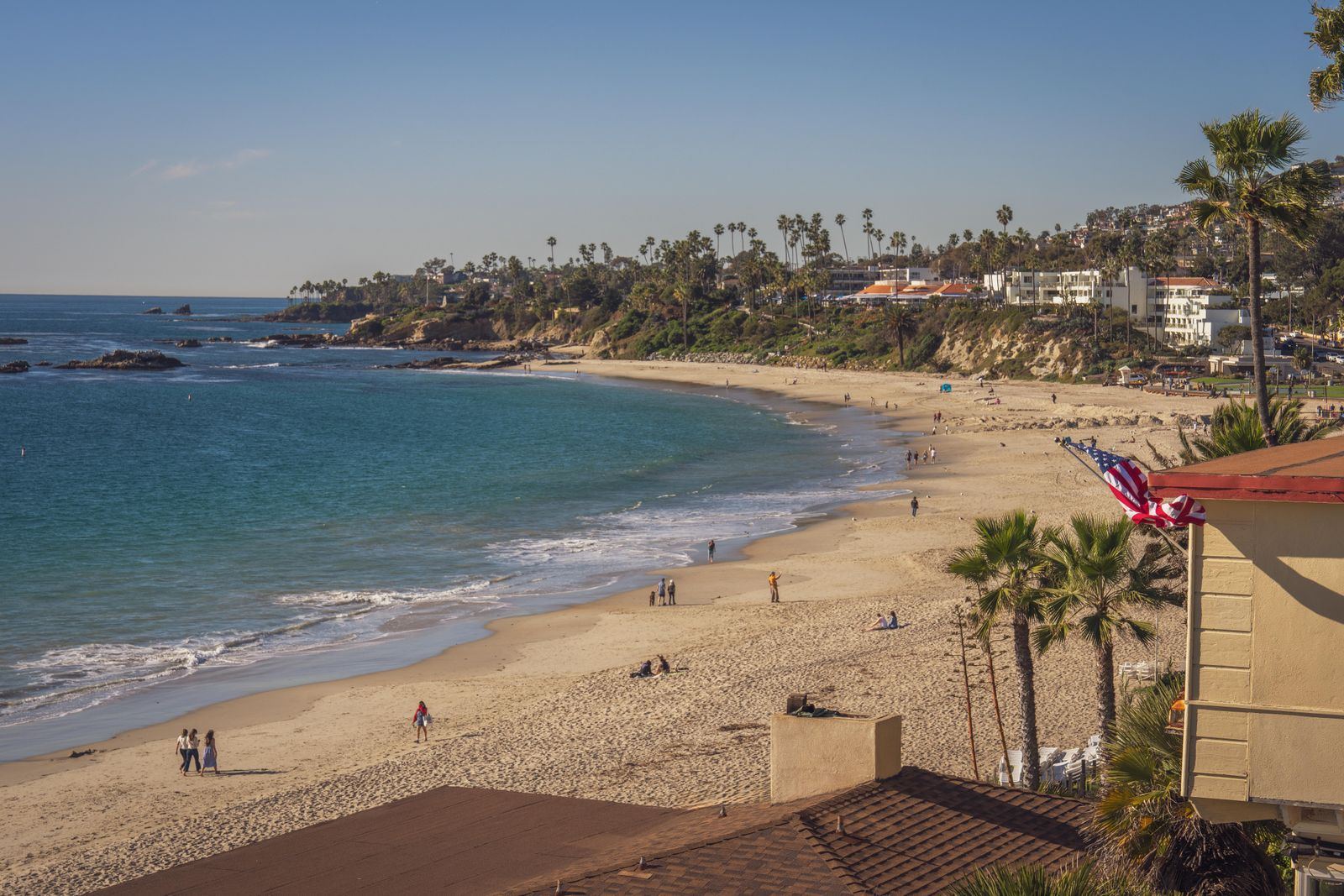
Most Orange County cities are tilt-ups, strip centers and parking lots. Laguna Beach is a village of galleries, restaurants and boutique hotels on Coast Highway and Forest Avenue, studios and workshops on Laguna Canyon Road, a hospital in South Laguna, four school campuses on the hills and gated communities from Irvine Cove to Three Arch Bay, all in one ZIP code, 92651. The buildings are older and smaller, the whole city sits in the coastal zone, and residents care a great deal about what things look like.
That changes the camera conversation. Owners still want to stop the alley break-in and the parking structure theft, but they also want to avoid a fight with the landlord or the Design Review Board, and they want gear that survives salt air. This guide walks through the law, the City, the coast and the placement. It is practical, not legal advice. When you want an actual plan, the free site survey at the end is the fastest route.
California recording law: video is generally fine, audio is not
California lets a business record video in areas where people have no reasonable expectation of privacy: the sales floor, the lobby, the parking lot, the hallway, the gate, the alley door. It does not let you record in restrooms, changing rooms, treatment rooms or anywhere someone would expect to be unobserved. Cameras on a Coast Highway boutique or a hotel corridor are fine; a camera in a spa treatment room or a clinic exam room is not.
Audio is the trap. California is a two-party consent state for confidential communications, so recording conversations without everyone's consent can be a crime. The practical rule for Laguna Beach businesses is simple: leave audio recording off on every camera unless an attorney has told you otherwise, and post visible signs that video surveillance is in use. Signs also deter.
Point cameras at your own property. A camera on a hillside building that looks straight into a neighbor's bedroom on Cliff Drive or in Woods Cove is a complaint waiting to happen, and in a town this small, complaints travel fast. We angle exterior cameras and use privacy masking in the software so neighbors' windows are blacked out on the recording.
When the City of Laguna Beach gets involved
Interior cameras and low-voltage cabling generally do not require a permit or Design Review. Where Laguna Beach differs from an inland city is the exterior. The entire city is in the California coastal zone, the City enforces a 36-foot height limit and detailed design guidelines, and visible changes to a building can be routed through Administrative Design Review or the Design Review Board by the Community Development Department at 505 Forest Avenue. Building and Permits is at (949) 497-0715, and the counter runs limited weekday hours, so plan ahead.
Where this bites: a camera and conduit on the front of a historic Village building, a pole in a parking lot, a large housing on an oceanfront facade, or anything on a property already under a coastal development permit. Where it usually does not: small cameras under an eave or soffit, inside a window, or on the rear of a building, with cable run inside.
- Keep exterior hardware small and paint-matched to the trim.
- Run cable inside; avoid new exterior conduit on any street-facing facade.
- Check with your landlord or HOA architectural committee first; they often have their own rules.
- If a project is already in Design Review, add cameras to the plans instead of adding them later.
Salt air, fog and hillside lots
The coast destroys cheap cameras. Oceanfront properties from Crescent Bay through Main Beach to Aliso Beach and Three Arch Bay see salt spray and marine fog most mornings. Mild-steel mounts rust, unsealed connectors corrode, plastic housings chalk and crack. A system that would last ten years in Anaheim can be dead in two on South Coast Highway.
The fix is specification, not luck: corrosion-resistant camera housings, stainless steel hardware, gasketed junction boxes, drip loops on every cable, and recorders and switches kept inside conditioned space, never in an outdoor cabinet. Cost a little more up front, replace nothing later.
Hillside lots in Temple Hills, Arch Beach Heights, Bluebird Canyon and Top of the World add another wrinkle. Buildings step down slopes, garages sit on a different level from the front door, and there is rarely a straight path for cable. Fiber between levels, outdoor-rated access points and careful conduit planning matter more here than on a flat lot. Laguna Canyon Road, which has flooded before, calls for mounting equipment well above the floor.
Where cameras should actually go
For a Village or Coast Highway shop or gallery: the front door and window from inside, the register, the sales floor, and the rear door to the alley. The alley is where most attempts happen and where most owners have no coverage. For a restaurant, add the patio, the bar and the office where the cash is counted. For a hotel: lobby, corridors, elevator landings, pool and beach access, loading and service areas, and every level of the parking structure. For an HOA: the vehicle gate with a plate camera, pedestrian and beach gates, the clubhouse and pool, and the garage. For a clinic near Mission Hospital: entrances, waiting room, medication and records storage, never exam rooms. For a workshop on Laguna Canyon Road: the roll-up doors, the yard and the office door.
Choose cameras for night. Laguna Beach empties out after the restaurants close, and that is when the video matters, so real low-light performance and enough infrared range for a lot or alley are worth paying for. Size the recorder for at least thirty days; insurance and police requests usually come later than you would expect.
Recording is not the same as watching
A camera that records tells you what happened. A camera that is watched can stop it. 24/7 AI camera monitoring pairs your cameras with software that flags a person or vehicle where there should not be one, and a live operator who looks at the feed within seconds. If it is a threat, the operator speaks over an on-site speaker, describes the person and tells them to leave, and calls Laguna Beach Police with live video if they do not. Most people leave the moment the voice comes on.
For a hotel parking structure, a gallery holding real inventory, a construction site on a hillside lot or an HOA's beach stairs after dark, this is the difference between an incident and a video of one. ITECH2 monitoring starts at $1 per camera per day a month with the first month free, and it works with the cameras we install or with a compatible system already in place.
The short version, and what to do next
Record video in public and work areas, not private ones. Keep audio off. Post signs. Point cameras at your own property and mask the neighbors. Keep exterior hardware small, inside-wired and paint-matched so the Design Review Board never has a reason to look at it, and talk to your landlord or HOA first. Buy marine-grade gear on the coast. Cover the alley, the lot and the gate, and choose cameras that see at night. If you want someone actually watching, add monitoring.
Laguna Beach Police at 505 Forest Avenue run Neighborhood Watch and vacation house check programs and encourage property owners to install cameras. ITECH2 is a licensed and insured low voltage contractor (license) that has worked in Orange County since 2010. We know the town, the counter and the coast. Call (626) 999-4929 or email tech@itech2.co for a free site survey, and we will walk your building and tell you exactly what goes where.
Questions Laguna Beach businesses ask
Can my Laguna Beach business record audio on its security cameras?
Not safely. California requires consent from all parties to record confidential conversations, so audio on a shop, hotel or office camera can create legal exposure. Leave audio off, post video surveillance signs, and record video only in public and work areas. If you believe you have a specific need for audio, get advice from an attorney first.
Will the Design Review Board in Laguna Beach care about my security cameras?
Usually not, if the cameras are small, mounted inside a window or under an eave, wired internally and painted to match. Visible conduit, large housings or poles on a street-facing or oceanfront facade, especially downtown or on a historic building, can draw attention from the Community Development Department at 505 Forest Avenue. We plan placement to stay clear of that.
How long should a Laguna Beach business keep security camera footage?
Thirty days is a practical minimum for most Laguna Beach shops, restaurants and offices; hotels, HOAs and medical offices often keep sixty to ninety. Insurance claims, police requests and tenant disputes tend to surface weeks after the fact. We size the recorder for your camera count and retention target so old footage is not overwritten before you need it.
Free site survey in Laguna Beach
ITECH2 is a licensed and insured low voltage contractor serving Laguna Beach since 2010. We will walk your property, tell you what you actually need and quote it in plain numbers — free.
Book a free Laguna Beach site survey Call or text (949) 396-2622Related: Network Cabling in Laguna Beach · Fiber Optic Installation in Laguna Beach · Security Camera Installation in Laguna Beach · AI Camera Monitoring in Laguna Beach